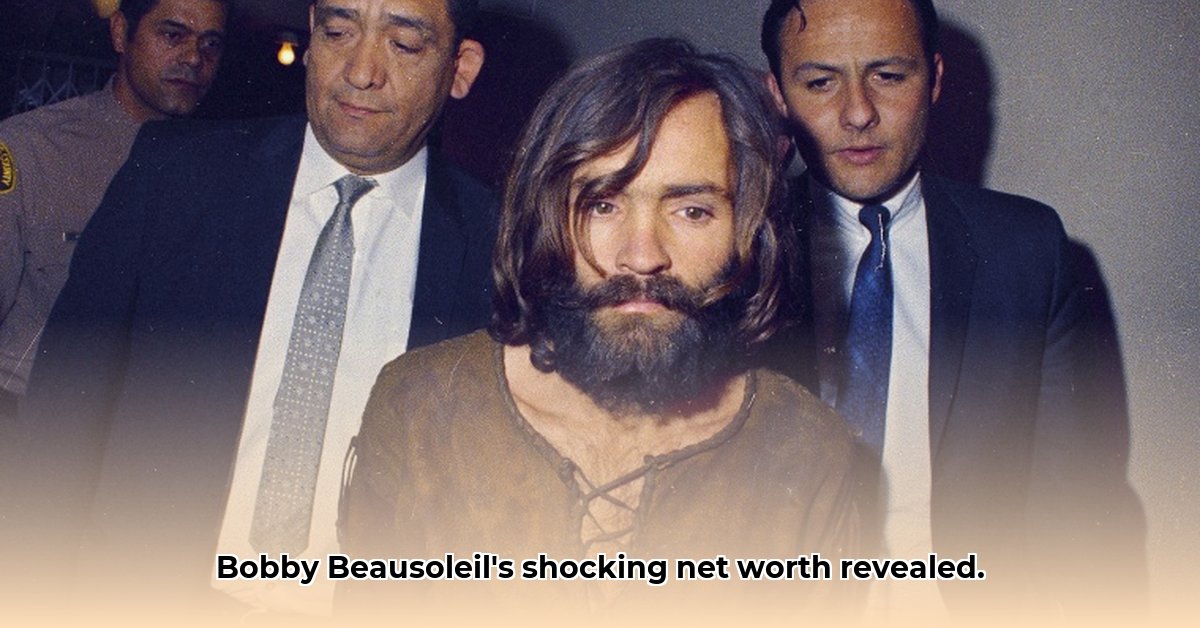
The question of Bobby Beausoleil's net worth frequently arises, fueled by morbid curiosity surrounding the Manson Family and their infamous crimes. However, focusing solely on his finances trivializes the gravity of his actions and the enduring pain of the victims' families. Expecting a convicted murderer, imprisoned for nearly five decades, to have amassed significant wealth is simply unrealistic. His financial situation is likely extremely modest. For more details, see his net worth details. This article will explore his life, crimes, and ongoing parole battles, placing his financial status within that larger, far more significant context.
The Hinman Murder and its Enduring Legacy
Bobby Beausoleil's involvement in the brutal 1969 murder of Gary Hinman cemented his place in history as a key member of Charles Manson's "family." This horrific act, intrinsically linked to Manson's twisted "Helter Skelter" ideology, remains a defining moment in American crime history. His conviction, stemming from witness testimony and compelling evidence, initiated a decades-long imprisonment. The enduring impact of this crime continues to shape the narratives surrounding his life and ongoing parole battles. But was it purely a crime of obedience dictated by Manson? The many conflicting accounts and changing narratives from Beausoleil muddy the waters. Can his claims of genuine remorse overcome the heinous act itself?
Decades of Imprisonment: Parole Battles and Shifting Narratives
Beausoleil's claim of rehabilitation spans nearly five decades of incarceration. He has participated in various prison programs, pursued artistic endeavors, and maintained that he has distanced himself from Manson's influence. However, his repeated parole denials highlight the persistent skepticism surrounding his claims. How compelling are these claims of self-improvement in light of the crime? Do they justify release? Such questions are at the heart of his parole hearings.
The victims' families steadfastly oppose his release, their grief and fear fueling intense opposition. Their persistent voices serve as a powerful counterpoint to his narrative of rehabilitation, reflecting the lasting trauma inflicted by the crimes. This opposition significantly influences the political landscape surrounding his parole bids, adding another layer of complexity to the case.
Rehabilitation, Redemption, and the Ongoing Debate
Beausoleil's supporters cite his positive behavior in prison, along with psychological assessments indicating a low risk of recidivism. They point to his artistic pursuits—particularly his music and artwork—as evidence of genuine remorse and a desire for redemption. This presents a compelling counter-narrative to the severity and enduring impact of the Hinman murder. Yet, the weight of his past actions remains a substantial obstacle to his release. How does society reconcile potential rehabilitation with the unforgivable nature of his crime? This central question continues to fuel intense debate and shapes the ongoing legal battles.
Bobby Beausoleil's Net Worth: A Meaningless Distraction
The focus on Beausoleil's net worth is ultimately a distraction. It diminishes the human cost of his crimes and overshadows the profound ongoing struggle for justice and closure for the victims and their families. His financial resources are likely extremely limited, consisting primarily of prison wages and possibly minimal earnings from his artwork. The true cost and lasting impact of his actions cannot be quantified monetarily.
Key Takeaways:
- Beausoleil's net worth is insignificant compared to the gravity of the Hinman murder and his ongoing parole battles.
- Conflicting accounts of his involvement in the crime hinder the assessment of genuine rehabilitation.
- The victims' families' unwavering opposition significantly impacts parole decisions.
- The parole board faces a daunting task, weighing rehabilitation claims against the severity of his crime and public safety concerns.
- The ongoing debate underscores the complex interplay between justice, rehabilitation, and the enduring impact of violence.